Meanwhile, if you want to try Tongits , be sure to check out GameZone!
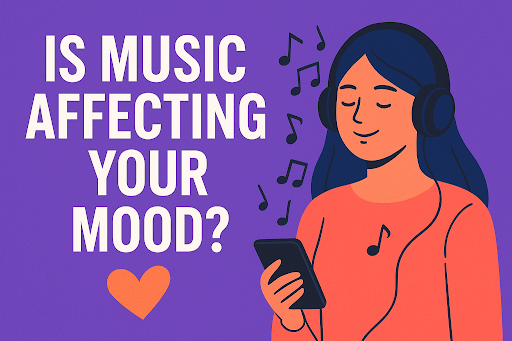
How Music Affects Your Mood
1. Music Impacts Brain Chemistry
When you listen to music, your brain releases chemicals that directly affect your mood:
Dopamine —the “feel-good” hormone
Serotonin —helps regulate emotions
Oxytocin —boosts feelings of connection
Cortisol – music can lower this stress hormone
This is why upbeat songs can make you feel energized, while relaxing instrumentals help calm your nervous system. Your brain treats music almost like a natural emotional medicine.
2. Music Triggers Memories and Emotions
Have you ever heard a song that instantly transported you back to a specific moment? Music is closely tied to memory. A single melody can bring back emotions from years ago—both positive and negative.
This emotional memory connection is why many people use playlists to boost motivation, relieve sadness, or relive joyful moments.
3. Music Influences Heart Rate and Energy Levels
Science shows that:
Fast-paced music increases heart rate and adrenaline.
Slow, soft music slows down breathing and promotes relaxation.
That’s why athletes use hype songs before competitions, and spas use gentle ambient tracks to promote calmness.
Your body and emotions follow the rhythm you feed it.
4. Lyrics Affect Perspective
Music with inspiring or emotional lyrics can shift your mindset. Motivational songs help you feel stronger, while heartbreak songs help you process emotions.
Lyrics act like a personal conversation. What you hear repeatedly shapes your emotional state.
Signs That Music Is Affecting Your Mood
You may not always notice it, but music influences your daily behavior in subtle ways:
You feel instantly happier when your favorite song plays.
You feel drained after listening to sad or heavy music for too long.
You focus better with instrumental or lo-fi beats.
You get motivated during workouts when you hear upbeat tracks.
You feel calmer at night when music softens your breathing.
These are clear signs that music is shaping your emotional patterns.
How to Inject the Right Vibe Into Your Day Through Music
Since music can influence your emotions, you can intentionally use it to set your desired vibe. Whether you want to feel energized, calm, creative, or confident—music can help you get there.
Here’s how to do it.
1. Create Mood-Based Playlists
Make playlists based on what you want to feel, such as
Focus Mode – lo-fi, ambient, classical
Happy Vibes – upbeat pop, dance, and feel-good tracks
Calm & Chill – acoustic, soft instrumental, slow R&B
Workout Energy – EDM, hip-hop, rock
Evening Wind Down – jazz, soft piano, slow ballads
Curating playlists gives you emotional control throughout the day.
2. Start Your Morning With Intentional Music
Your morning mood affects your entire day. Choose uplifting music to set a positive tone.
Good options include:
Energetic pop
Acoustic sunshine music
Motivational beats
Avoid sad or dramatic songs first thing in the morning. The energy you choose becomes the energy you carry.
3. Use Music to Control Stress
If you’re feeling overwhelmed, slow-paced songs can help regulate your breathing and calm your nerves.
Try:
Relaxing instrumentals
Nature sounds
Soft R&B and soul
Spa or meditation tracks
Listening for even 5 minutes can lower stress hormones.
4. Boost Productivity With the Right Sounds
Not all music improves focus—but the right type can boost concentration and creativity.
Best choices for productivity:
Lo-fi beats
Smooth jazz
Binaural beats
Video game soundtracks
Classical music
These genres reduce mental distractions and improve flow.
5. Choose Music That Matches (or Shifts) Your Emotion
If you’re feeling down, you can choose a playlist that encourages healing or gradually lifts your mood.
Two strategies work well:
Match technique:
Start with songs that match your current mood, then slowly shift toward more upbeat tracks.
Shift technique:
Immediately switch to positive, high-energy music to release dopamine and interrupt negative emotions.
Both techniques help regulate feelings effectively.
6. Be Mindful of What You Listen to Repeatedly
Just like diet affects your body, your playlist affects your mind . If you constantly listen to sad or aggressive music, your emotions may mirror that tone.
Balance your listening habits by including:
inspiring songs
uplifting melodies
empowering lyrics
calm relaxation tracks
Think of your playlist as daily emotional nutrition.
Conclusion: Music Is a Powerful Mood-Setter—Use It Intentionally
Music absolutely affects your mood—scientifically, emotionally, and physically. It can uplift you, calm you, motivate you, or even drain you, depending on what you choose to listen to.
The good news? You have full control.
By using mood-based playlists, choosing intentional morning tracks, and listening to songs that match or shift your emotions, you can inject the right vibe into your day anytime you need it.
https://metaldevastationradio.com/thebeast/blog/28324/is-music-affecting-your-mood-how-to-inject-the-right-vibe-through-music?utm_source=dlvr.it&utm_medium=blogger

No comments:
Post a Comment